
COSMETIC PACKAGING
——we are a bridge between cultures,
a guardian of quality, and a champion of innovative,sustainable beauty.
Recycled PE
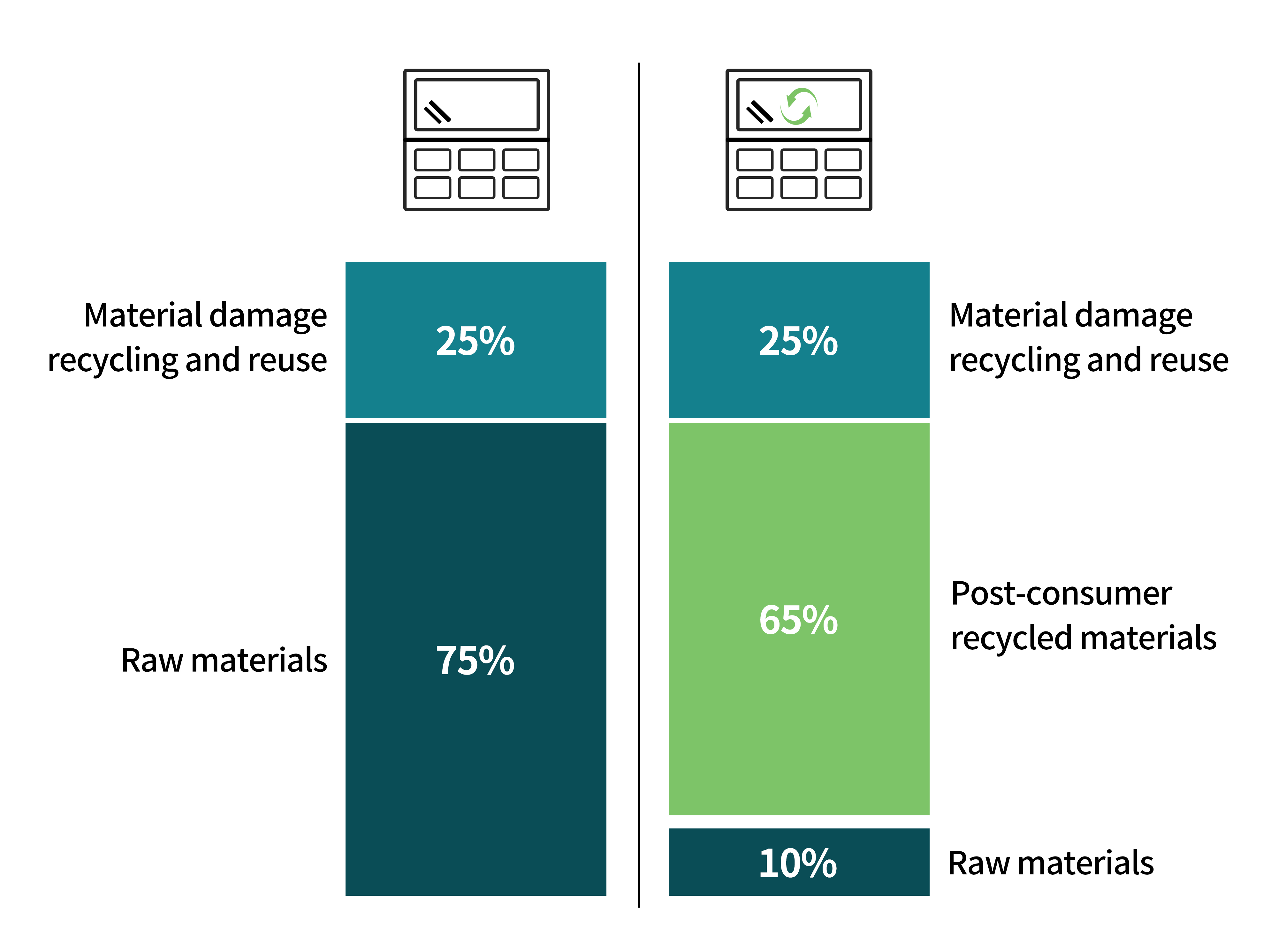
Recycled PE aims to create a closed loop within the primary packaging sector by infinitely recycling a selection of specific products. This process is made possible by excluding from the loop any items that could compromise the aesthetic and functional qualities of the finished product—with the goal of producing a plastic that is as close as possible to virgin material.
Recycled PP
This material is derived from the sorting of industrial waste sourced from European companies, whose aesthetic and mechanical properties meet our production standards. Recycled PP jars and accessories are available in white and colored options, using masterbatches. Similar to recycled PE, neutral finishes are not recommended.
Recycled PET
PET remains the material best suited for recycling processes. In fact, most PET containers on the market are designed for cosmetic and food products, which by nature do not compromise its quality. Currently, the majority of European cities are able to collect PET via selective sorting. As a result, like recycled glass and recycled PE, the PET referenced here is post-consumer recycled PET—and thus part of a closed packaging loop. The available coloring options are identical to those of virgin PET: transparent, transparent tinted, and opaque.
Recycled PS
Polystyrene (PS) exists in both solid and foam forms and is commonly used in disposable coffee cups, food containers, and insulating materials.PS containers are often easily contaminated with residues, which to some extent reduces the quality of recycled materials.
Recycled PETG
PETG is a recyclable thermoplastic that is highly suitable for reuse. Recycling PETG requires less energy than manufacturing virgin plastic and contains no chlorine. During the recycling process, simply cleaning it thoroughly, preventing contamination with other materials, and storing it separately can significantly increase the recycling rate. Recycling PETG helps conserve natural resources, reduce environmental pollution, and decrease the amount of waste in landfills.
Recycled ABS
ABS is a recyclable thermoplastic that can be remade into new products by melting and reprocessing. The recycling process includes collection, sorting, cleaning, crushing, and melting reshaping. Recycled ABS can be used to manufacture various new products, such as new plastics, pipes, and building materials, etc. Since different additives are added during the manufacturing process of ABS, correct sorting is crucial to ensure the quality of recycled materials.
Recycled AS
As a thermoplastic, AS has good mechanical properties and chemical resistance. It can be reshaped and reprocessed after being heated. Also, due to its relatively stable molecular structure, the degradation process in the natural environment is very slow. To reduce environmental pollution, it is usually recycled, but the specific recycling efficiency depends on the local recycling facilities and regulations.

The major advantage of cosmetic packaging materials among recycled PP, PET, PETG and other substances lies in that they are important components of the circular economy.
Compared with the amount required for manufacturing original packaging, the production of raw materials saves energy, thus making a significant contribution to reducing carbon emissions.The recycling of plastic pipes, caps and boxes is an indispensable part of this closed-loop system,enabling them to be reused.
Of course there are also some concerns about using recycled plastics as a raw material; there is no free ride and the sustainable use of plastics comes at a cost.
The main concern for us, as a producer of recycled packaging, is the stability of the raw material and the tightness of the specifications which can lead to cosmetic imperfections.
When recycled plastics are used the colour can deviate more, whereas virgin materials have very tight specifications.